Frequently Asked Questions
Eye doctor near me who accepts Davis Vision?
Finding an eye doctor near you who accepts Davis Vision is easy. EyeDrNow in Rome, GA, welcomes Davis Vision patients and offers a range of eye care services, including eye exams and glasses.
Are Costco optometrists good?
Costco optometrists are generally considered good due to their affordability, comprehensive eye exams, and accessibility of products. Many customers appreciate the quality of care and convenience they provide, making them a viable option for vision needs.
Are optometrists eye doctors?
Optometrists are indeed eye doctors who specialize in assessing and treating vision problems, prescribing corrective lenses, and managing eye health. They play a vital role in overall eye care and health maintenance.
Are optometrists considered doctors?
Optometrists are considered healthcare professionals who provide eye care and vision services, but they are not medical doctors (MDs). They hold a Doctor of Optometry (OD) degree and are licensed to diagnose and treat various eye conditions.
Is the eye doctor open on Sundays?
The eye doctor is not open on Sundays. Our hours of operation are Monday through Friday from 9am to 6pm, and Saturday from 9am to 12pm.
Are eye doctors and optometrists the same?
Eye doctors and optometrists are not the same; optometrists are a type of eye doctor specializing in vision care, including eye exams and prescribing glasses. However, some eye doctors may also be ophthalmologists, who are medical doctors that can perform surgeries and treat more complex eye conditions.
Are optometrist appointments covered by Medicare?
Optometrist appointments can be covered by Medicare, but coverage typically applies only to certain eye exams related to medical conditions, not routine vision exams. It's essential to check your specific plan for details on coverage.
Are LensCrafters optometrists good?
LensCrafters optometrists are generally considered good due to their professional training, experience, and commitment to providing quality eye care and personalized service to their patients.
Are all optometrists doctors?
Not all optometrists are considered medical doctors. Optometrists hold a Doctor of Optometry (OD) degree and are trained to provide vision care, prescribe glasses and contacts, and diagnose certain eye conditions, but they do not possess a medical degree like ophthalmologists.
Eye Dr who takes Medicaid near me?
Finding an Eye Doctor who takes Medicaid near you is important for affordable eye care. At EyeDrNow, we accept Medicaid and offer comprehensive eye exams and a wide selection of eyewear to meet your needs.
What services do local optometrists offer?
Local optometrists offer a range of services including comprehensive eye exams, prescription glasses and contact lenses, vision therapy, and treatment for eye diseases. They also provide preventive care and education on maintaining eye health.
How to find nearby optometrists accepting insurance?
Finding nearby optometrists accepting insurance is straightforward. You can start by checking with your insurance provider's website or customer service for a list of in-network eye care professionals. Additionally, online search platforms and local directories often have filters to specify insurance participation.
Can I book an appointment online with optometrists?
You can book an appointment online with our optometrists. Simply visit our website, navigate to the appointment section, and choose a convenient time that fits your schedule.
What certifications do eye doctors need?
Eye doctors need specific certifications to practice, including a Doctor of Optometry (OD) degree and state licensure. Additional certifications may include the National Board of Examiners in Optometry (NBEO) and optional specialized training in areas like glaucoma or vision therapy.
How do I choose the right optometrist?
Choosing the right optometrist involves considering their qualifications, experience, and patient reviews. Look for one that offers comprehensive eye exams, a wide selection of eyewear, and flexible payment options to ensure you receive the best care.
What to expect during an eye exam?
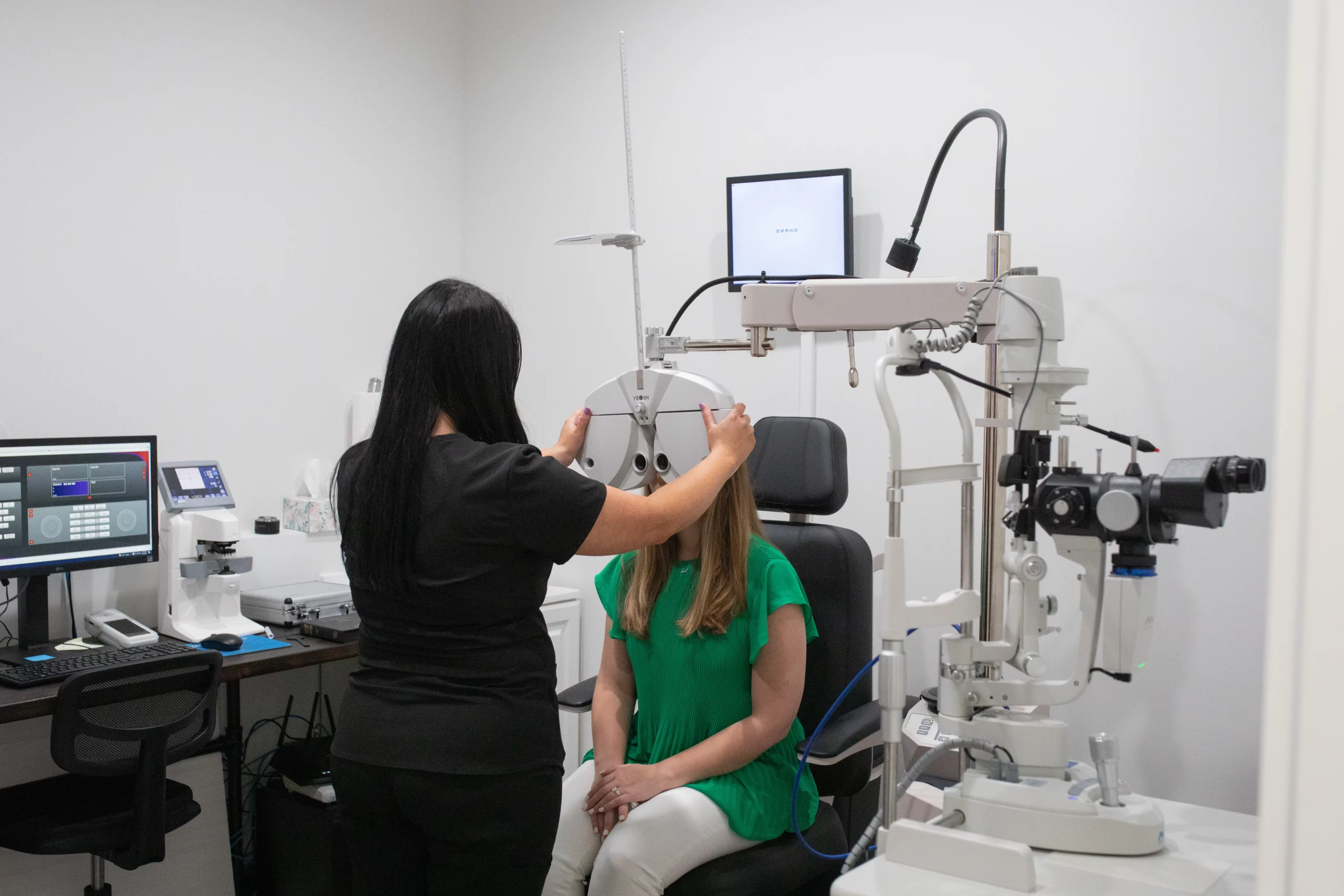
During an eye exam, you can expect a series of tests to evaluate your vision and eye health, including measurements of your eyesight, examination of the eye's internal and external structures, and assessments for any potential issues.
Do optometrists prescribe medication for eye conditions?
Optometrists are qualified to prescribe medication for various eye conditions. They can diagnose and treat many eye-related issues, including infections, allergies, and glaucoma, through appropriate medications.
Are there specialized optometrists for children?
Specialized optometrists for children do exist. These professionals focus on pediatric eye care, ensuring that children's unique vision needs are effectively addressed through tailored exams and treatments.
Can optometrists perform laser eye surgery?
Optometrists typically do not perform laser eye surgery. Instead, they conduct eye exams and provide pre-operative and post-operative care, while the surgical procedure is performed by ophthalmologists, who are medical doctors specialized in eye surgery.
What is the average cost of an eye exam?
The average cost of an eye exam typically ranges from $50 to $100, depending on the provider and location. At EyeDrNow, we offer comprehensive eye exams for just $79, making vision care affordable for you and your family.
How often should I see an optometrist?
You should see an optometrist regularly for optimal eye health. It's typically recommended to schedule an eye exam every one to two years, or more frequently if you have vision problems or underlying health issues.
What conditions can optometrists diagnose and treat?
Optometrists can diagnose and treat various conditions, including refractive errors like nearsightedness and farsightedness, eye infections, dry eye syndrome, glaucoma, cataracts, and other ocular diseases, as well as manage systemic health issues that affect vision.
Are optometrists required to continue education?
Optometrists are required to continue their education to maintain their licensure. This ongoing education ensures they stay updated on the latest advancements in eye care and treatment practices, enhancing patient care and safety.
Do eye doctors accept walk-in patients?
Eye doctors may accept walk-in patients, but it often depends on the specific clinic’s policies and availability. It's best to call ahead to confirm if walk-ins are welcome at your chosen location.
What is the difference between optometrists and ophthalmologists?
The difference between optometrists and ophthalmologists lies in their training and services. Optometrists provide vision care, eye exams, and prescribe glasses or contacts, while ophthalmologists are medical doctors specializing in eye surgery and the treatment of eye diseases.
How can I verify an optometrists credentials?
Verifying an optometrist's credentials involves checking their education, licensing, and any board certifications. You can use state licensing boards, professional associations, or online directories to confirm their qualifications and ensure they meet professional standards.
What insurance plans cover eye examinations?
Many insurance plans cover eye examinations, including Medicaid, Medicare, and various private insurance providers. It's best to check with your specific plan or contact our office to verify coverage details for your eye exam.
Are telehealth appointments available for eye care?
Telehealth appointments for eye care are indeed available. Our advanced tele-optometry technology allows you to receive eye consultations conveniently from your home, ensuring that you can access quality care when it suits you.
What types of lenses do optometrists recommend?
Optometrists recommend a variety of lenses based on individual needs, including single vision lenses for clear distance or near vision, bifocal lenses for both, and progressive lenses for a seamless transition between different vision zones.
How to prepare for an eye appointment?
Preparing for an eye appointment includes gathering your medical history, bringing any current eyewear, and making a list of symptoms or questions for the eye care professional. Dressing comfortably and arriving a bit early can also enhance your visit.