Frequently Asked Questions
How to self test your eye strengths?
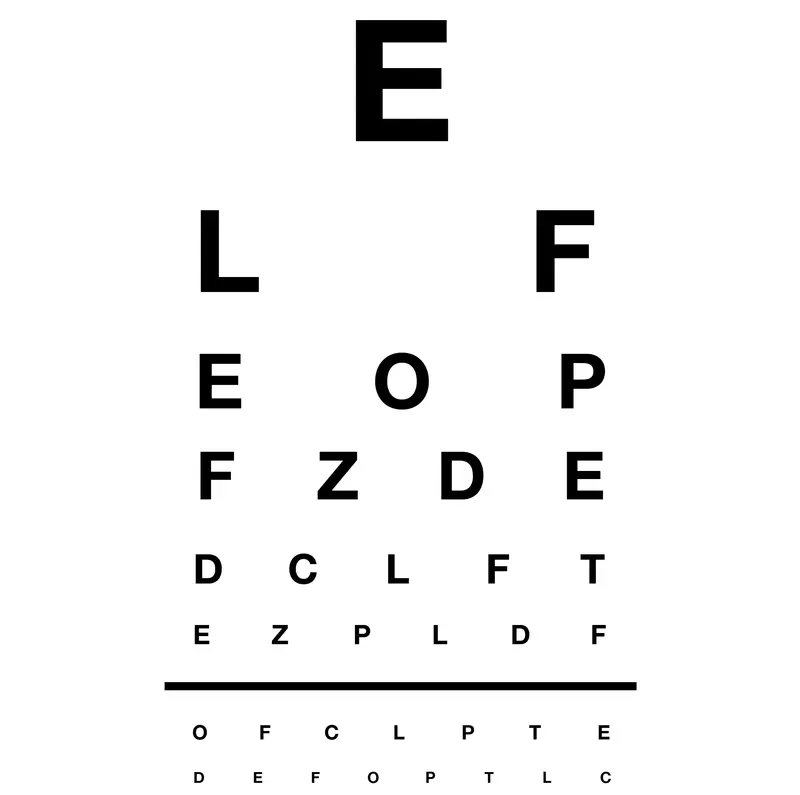
Self-testing your eye strengths involves following specific guidelines. Ensure you are at the appropriate distance from your screen based on its size and cover one eye while reading letters or symbols to assess clarity and focus.
Is there a free online eye test?
Free online eye tests are available; however, these tests may not be as reliable as a comprehensive examination by a professional eye care provider. It's best to schedule an in-person exam for accurate results and health assessment.
How to perform self eye exam?
Performing a self eye exam involves checking your vision clarity and eye health. Cover one eye, focus on a distant object, and read any text. Repeat with the other eye, noting any blurriness or discomfort, and seek professional advice if needed.
What tools are needed for self eye testing?
The tools needed for self eye testing include a digital screen or printed vision charts and a ruler to measure the appropriate distance, ensuring you maintain the correct spacing as outlined for accurate results.
How accurate is a self eye test?
The accuracy of a self eye test depends on various factors, including lighting and screen quality. While it can provide a general indication of vision issues, it is not a substitute for a professional eye examination.
Can I perform a self eye exam at home?
You can perform a self eye exam at home to check for basic vision issues, but it is not a substitute for a comprehensive eye exam by a professional. Regular examinations are necessary for accurate diagnosis and overall eye health.
What are the steps for a self eye test?
The steps for a self eye test include covering one eye, standing at the appropriate distance from the screen (7 feet for a 20" screen), and then reading the displayed letters or symbols while ensuring there is no pressure on the eyelid.
Where can I find free eye tests online?
Free eye tests can often be found online through various websites offering vision self-tests, eye care clinics, or apps designed for preliminary eye assessments. However, for accurate results, it's always recommended to visit a professional eye care provider.
How often should I test my eyes?
Testing your eyes regularly is essential for maintaining good vision. It is generally recommended to have an eye exam every one to two years, but more frequent tests may be necessary based on your age, health, and vision changes.
What conditions can a self exam detect?
Self-exams can detect various eye conditions, including refractive errors, blurry vision, and signs of eye strain. They may also reveal more serious issues such as cataracts, glaucoma, or retinal problems, prompting timely professional consultation.
Are online eye tests reliable for glasses prescriptions?
Online eye tests can provide a preliminary assessment of your vision, but they may not be as accurate as an in-person exam for determining glasses prescriptions. It's best to consult a professional for a comprehensive evaluation.
Can I use my phone for a self eye exam?
Using your phone for a self eye exam is possible, but it's important to ensure proper distance and lighting for accurate results. For best outcomes, follow specific guidelines for screen distance and environmental conditions.
What should I do if I fail the test?
If you fail the test, it’s important to consult an eye care professional promptly. They can assess your vision and determine any necessary steps or treatments to ensure your eye health is properly managed.
How do I know if I need an eye exam?
Knowing if you need an eye exam can depend on several factors. Consider scheduling an appointment if you experience symptoms like blurred vision, eye strain, discomfort, or any changes in vision. Regular exams are also essential for maintaining overall eye health.
What visual skills can be tested at home?
Visual skills that can be tested at home include visual acuity, depth perception, near and distance focus, eye coordination, and color perception. Simple exercises and self-tests can help assess these skills effectively.
Can children perform self eye tests independently?
Children may struggle to perform self-eye tests independently due to their limited understanding of the procedure and the need for accurate distance measurement. Adult supervision is recommended to ensure correct interpretation of results.
How long does a self eye exam take?
A self eye exam typically takes about 5 to 10 minutes to complete. It's a quick and simple process, allowing you to assess your vision efficiently from the comfort of your home.
Are there any age restrictions for self testing?
There are no specific age restrictions for self-testing; however, it is recommended that children be assisted by an adult to ensure accurate results.
What symptoms suggest I need a vision test?
Symptoms suggesting a need for a vision test include blurred vision, difficulty focusing, eye discomfort, redness, frequent headaches, and changes in your ability to see clearly. If you experience any of these, schedule an eye exam promptly.
How does an online eye test work?
An online eye test works by guiding users through a series of vision assessments using their device's screen. The test typically measures visual acuity and may require users to cover one eye while following instructions to identify letters or shapes at specified distances.
Does insurance cover online eye exams?
Insurance coverage for online eye exams varies by provider and plan. It's best to check with your insurance company to determine if they cover this service and the specific terms associated with your policy.
Can I get prescriptions from online eye tests?
Online eye tests can provide information about your vision but cannot legally issue prescriptions. It's important to have a comprehensive eye exam with a licensed eye care professional to receive an accurate prescription tailored to your needs.
What types of vision problems can a self test reveal?
Self tests can reveal various vision problems, including refractive errors like nearsightedness, farsightedness, and astigmatism, as well as issues related to depth perception and color vision. They are valuable tools for assessing your visual acuity before seeking professional evaluation.
How to prepare for a self eye exam?
Preparing for a self eye exam involves ensuring proper distance from the screen, covering one eye without applying pressure, and ensuring good lighting. Follow these steps for accurate results and a comfortable experience.
What is the best online eye exam service?
The best online eye exam service typically offers convenience, affordability, and a comprehensive eye assessment. Services like EyeDrNow provide high-quality exams with experienced professionals, ensuring thorough evaluations without the need for a physical visit.
Are there risks involved in self eye testing?
The risks involved in self eye testing include the possibility of misinterpretation of results, which may delay diagnosing serious eye conditions. It is crucial to consult an eye care professional for accurate assessments and proper care.
What follow-up actions are needed after testing?
Follow-up actions after testing include reviewing your results with your eye care professional, scheduling any necessary appointments for further evaluation, and implementing recommended lifestyle changes or treatments to maintain your eye health.
How can I trust the results of an online test?
The trustworthiness of an online test's results relies on factors like test design, control of testing conditions, and adherence to established visual assessment standards. Always consider using well-reviewed platforms and consult with an eye care professional for confirmation.
What is the purpose of self eye exams?
The purpose of self eye exams is to help individuals monitor their vision and identify potential eye issues early on, ensuring timely intervention and maintaining overall eye health.
Are there different levels of eye tests available?
Different levels of eye tests are available. Comprehensive exams assess overall eye health, while specialized tests target specific issues like vision clarity or eye diseases, ensuring tailored care for each patient's needs.